
Australia has one of the highest rates of skin cancer in the world, and Brisbane is often regarded as one of the global capitals of skin cancer because of its intense UV exposure and outdoor lifestyle. Chronic sun exposure over many years commonly leads to the development of actinic keratoses, also known as solar keratoses or “sunspots.” Studies suggest that in older Australians living in high UV regions, the prevalence of actinic keratoses may approach 60–90% in heavily sun-exposed populations.
Actinic keratoses are not simply harmless signs of ageing. They represent areas of abnormal skin cell growth caused primarily by chronic ultraviolet damage. These lesions may appear as rough, scaly, red, pink, or skin-coloured spots, often on the face, scalp, ears, neck, forearms, and hands.
Under the microscope, actinic keratoses are classified according to the degree of dysplasia:
When these abnormal cells occupy the full thickness of the epidermis, the lesion is referred to as squamous cell carcinoma in situ (SCC in situ), also known as Bowen’s disease or superficial SCC. One of the major molecular events associated with this process is mutation of the protective tumour suppressor gene p53, commonly caused by chronic UV radiation.
If left untreated, particularly in high-risk areas of the head and neck, these abnormal cells may penetrate deeper into the skin and evolve into invasive squamous cell carcinoma (invasive SCC). Once invasion occurs, the cancer gains access to deeper tissues, nerves, lymphatic channels, and potentially lymph nodes. Invasive SCC can become aggressive and, in a small but important percentage of patients, may become life-threatening.
Early diagnosis is therefore critically important.
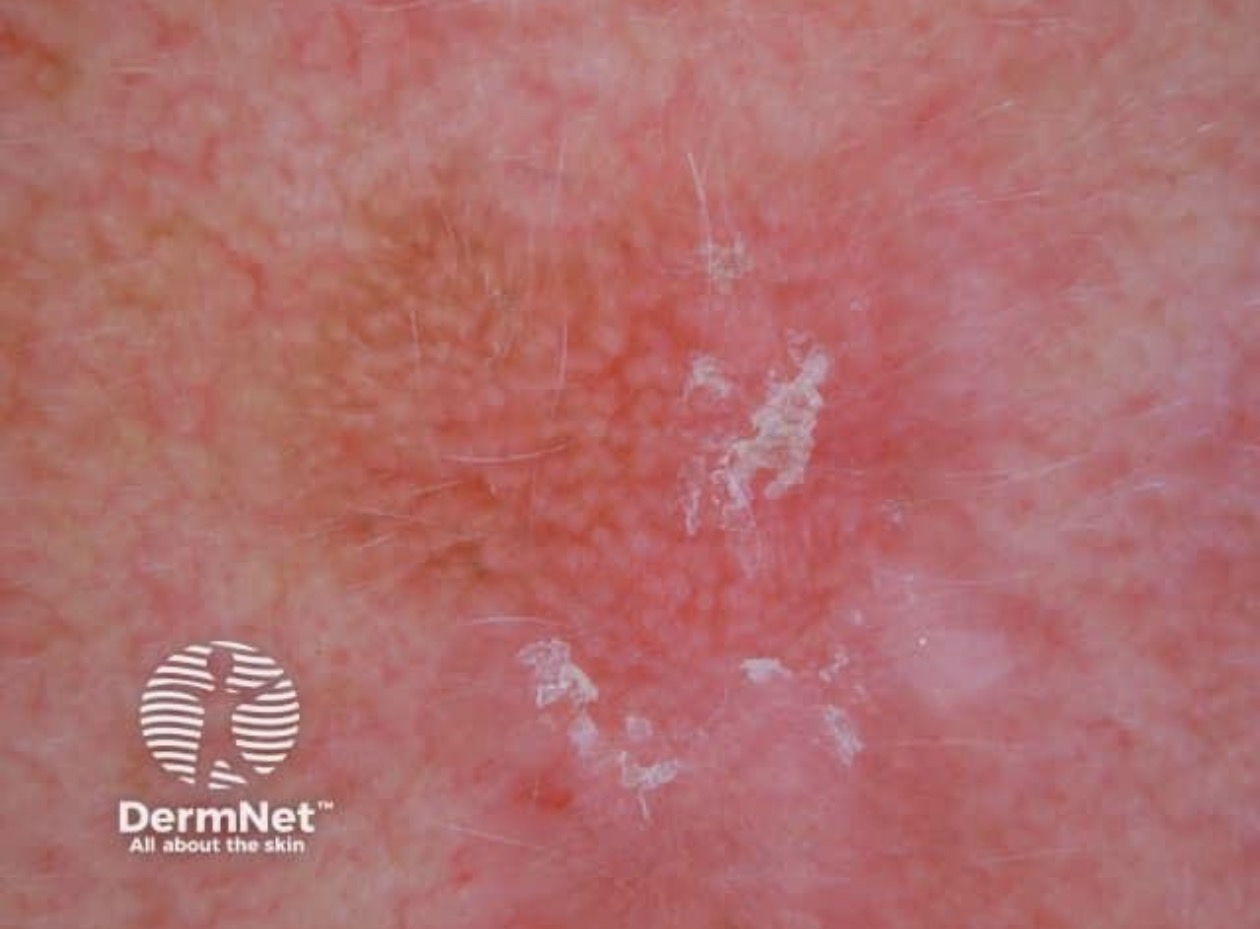
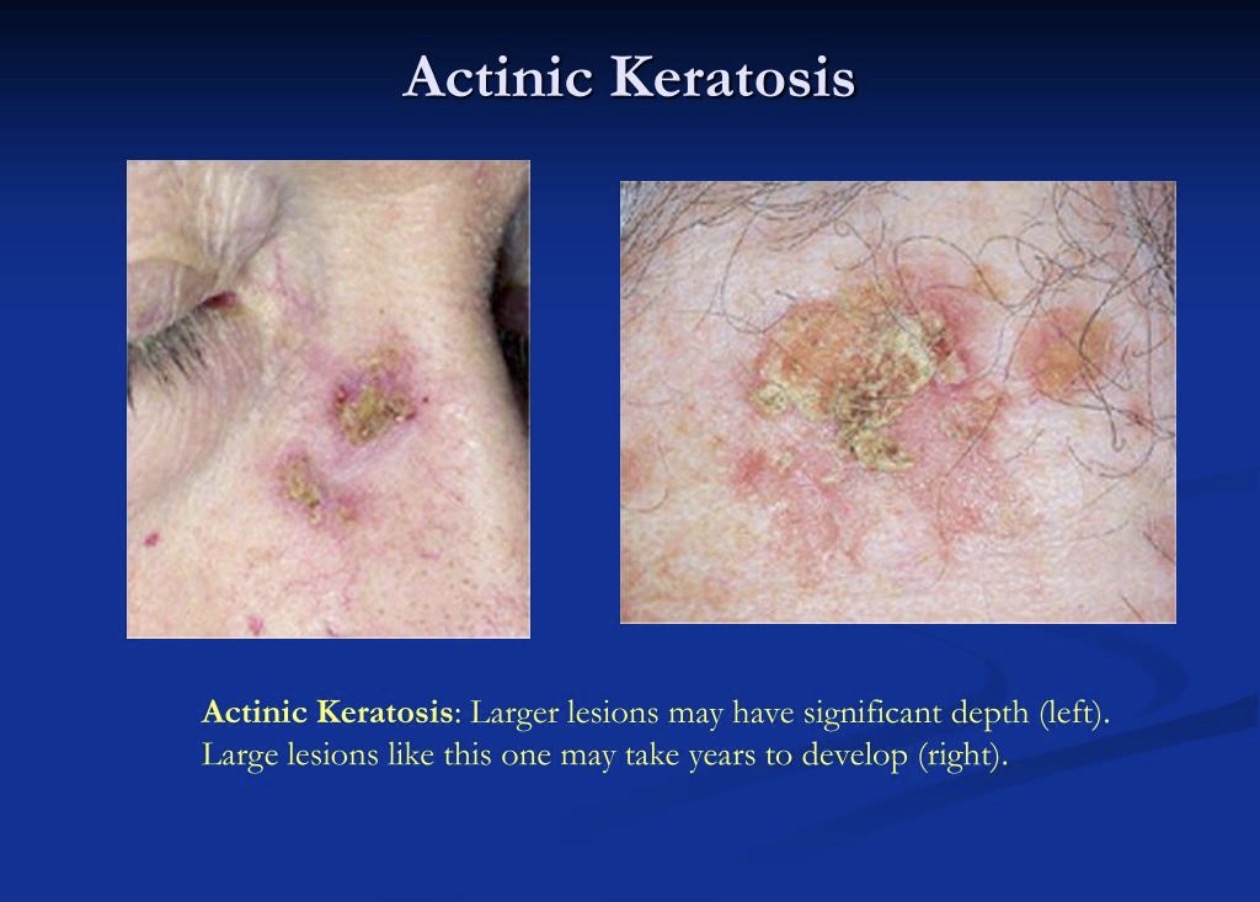
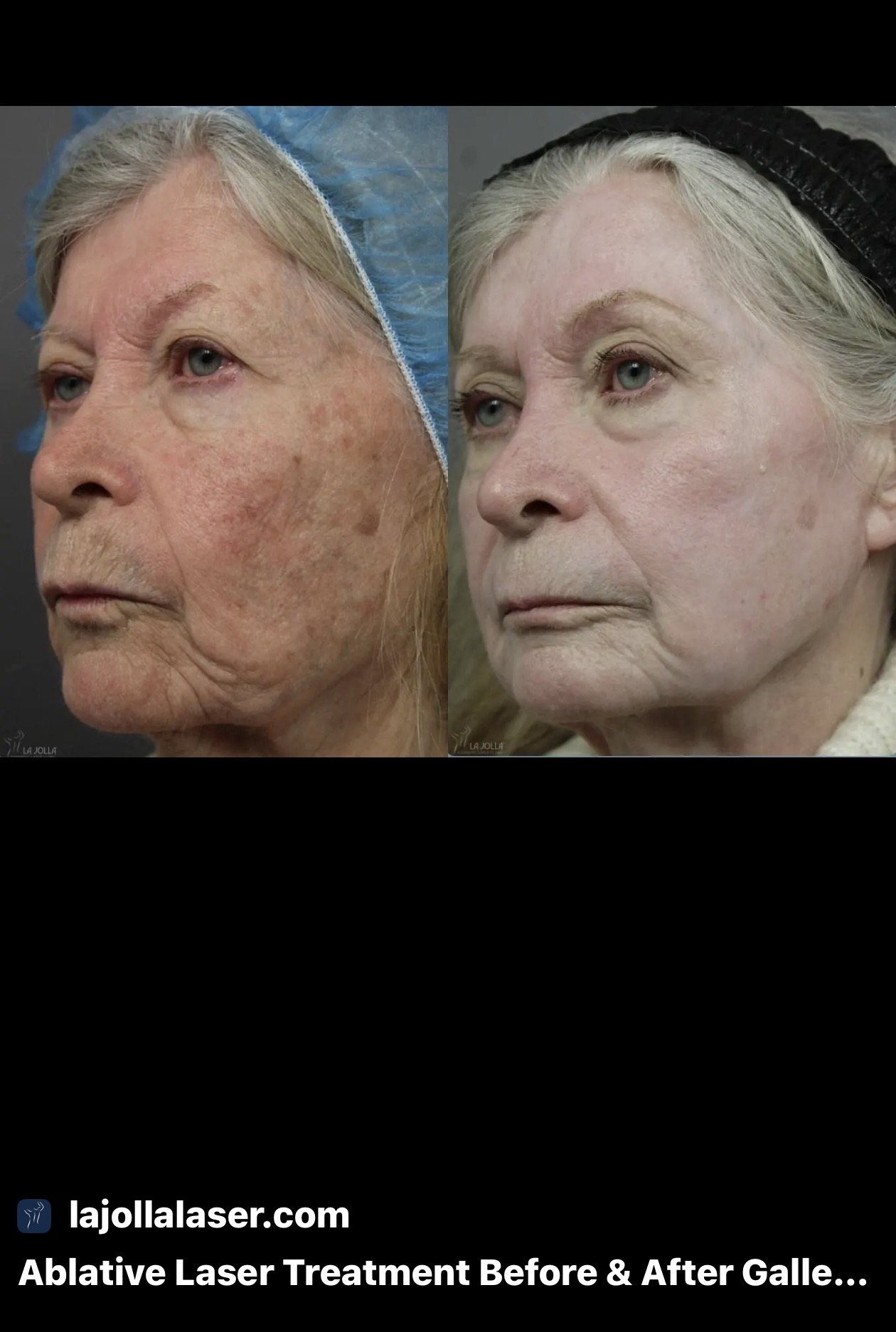
At SKEEN, we focus heavily on detecting and treating these lesions at the earliest possible stage, before major surgery, radiation therapy, or advanced cancer treatment become necessary.
For actinic keratoses and superficial SCC, non-surgical treatments are often highly effective. One of the most advanced treatments available is Metvix photodynamic therapy (PDT), a state-of-the-art non-invasive treatment that selectively targets abnormal sun-damaged and cancerous cells while preserving surrounding healthy skin. PDT remains one of the most effective non-surgical treatments for widespread sun damage and superficial skin cancers.
At SKEEN, we also utilise advanced ablative laser technology for selected early superficial SCC lesions and extensive field cancerisation. In carefully selected patients, laser treatment may provide:
At SKEEN, our advanced AI-integrated Vectra 3D imaging technology also assists in the early detection and monitoring of sunspots, superficial SCC, and invasive SCC with very high accuracy. While no technology replaces expert clinical assessment, advanced imaging significantly enhances our ability to detect subtle morphological changes at an early stage and complements the expertise of our specialists.
Early diagnosis combined with effective treatment dramatically reduces the likelihood of requiring extensive surgery, radiation therapy, or complex oncological treatment later on.
Book your appointment with SKEEN and let our specialists help you stay ahead of skin cancer before it becomes a bigger problem.
Importantly, we do not simply treat and discharge patients without follow-up. Our consultant-led protocols include careful reassessment approximately three months after treatment to ensure satisfactory clearance and healing. If there is any evidence of persistent disease, we will escalate treatment appropriately, including more invasive management where required.
Our commitment is to provide patients with a premium, consultant-led experience focused on safety, early diagnosis, long-term surveillance, and excellent outcomes.
Dr. Colin R McTari
MD, Fellowship in Dermatology
FAID, IFAAS, FSCI, ACAM (Laser)
Dermatology, Cosmetics, and Complex Skin Surgery
Whether you are seeking support for acne, eczema, psoriasis, vitiligo, rosacea, or skin cancer management, SKEEN Clinic offers tailored consultations to guide you through suitable treatment options and personalised care plans.