
Not all skin cancers are the common types such as basal cell carcinoma (BCC), squamous cell carcinoma (SCC), or even melanoma. There are also other rare but potentially very dangerous forms of skin cancer, including Merkel Cell Carcinoma (MCC).
Merkel Cell Carcinoma is a rare and highly aggressive skin cancer that usually arises from neuroendocrine cells associated with nerve endings in the skin. It most commonly occurs on sun-exposed areas of the body and is usually seen in elderly patients or individuals with weakened immune systems.
Unfortunately, MCC tends to grow rapidly and can spread quite early, particularly to the lymph nodes. It is considered the second leading cause of skin cancer-related death after melanoma.
Commonly affected areas include head, neck, face, scalp, and upper limbs.
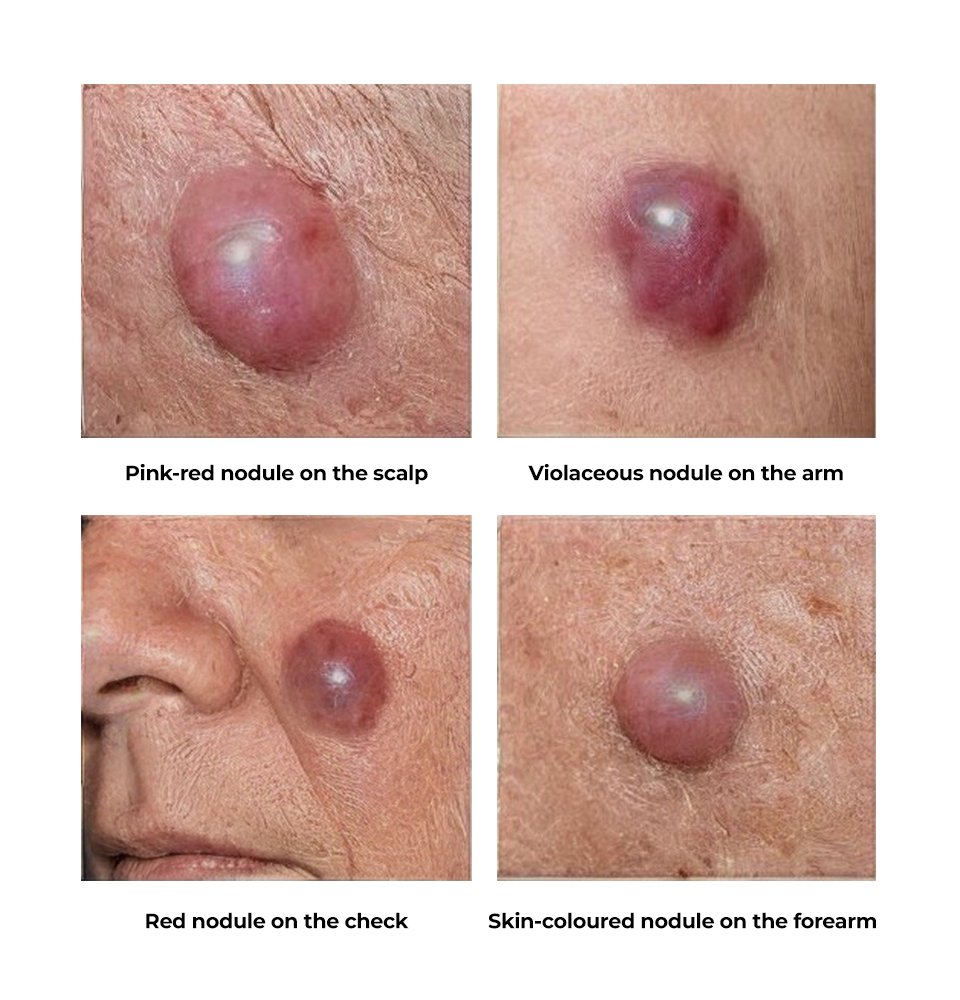
UV exposure is the most significant risk factor. Transplant patients and individuals with HIV or conditions such as lymphoma are also at much higher risk of developing MCC
Any rapidly growing pink or red lesion on a sun-exposed area, especially in someone over the age of 50, should always be taken seriously - even if it is completely painless.
Rapid growth without symptoms can sometimes indicate a very aggressive form of skin cancer.
Major risk factors for Merkel Cell Carcinoma include:
In Queensland, where UV exposure is extremely high, awareness of aggressive skin cancers such as MCC is particularly important.
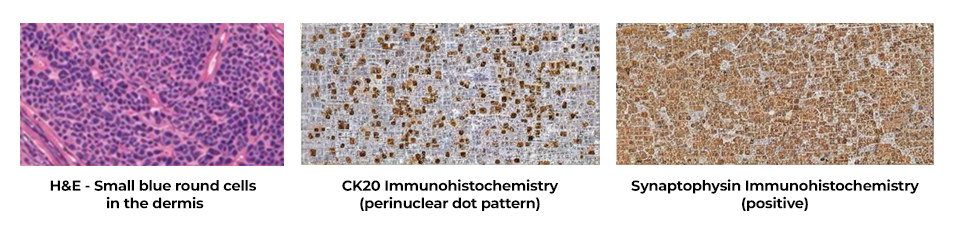
Early diagnosis is critical. Diagnosis is usually made through:
Because MCC can spread early to lymph nodes, sentinel lymph node biopsy is often recommended even for relatively small lesions to ensure there is no microscopic spread.
Treatment usually involves:
In some situations, chemotherapy may be used to shrink the tumour initially, although immunotherapy generally provides more durable long-term control.
At SKEEN, advanced technologies including intelligent Al-integrated 3D full-body mole mapping allow us to detect suspicious skin lesions at very early stages with a high level of accuracy.
However, technology alone is not enough. Patient communication remains extremely important. Any recent change, rapid growth, new lump, or unusual skin lesion - even if painless - should always be brought to medical attention promptly.
Early detection and early treatment can save lives.
Dr. Colin R McTari
MD, Fellowship in Dermatology
FAID, IFAAS, FSCI, ACAM (Laser)
Dermatology, Cosmetics, and Complex Skin Surgery
Whether you are seeking support for acne, eczema, psoriasis, vitiligo, rosacea, or skin cancer management, SKEEN Clinic offers tailored consultations to guide you through suitable treatment options and personalised care plans.