
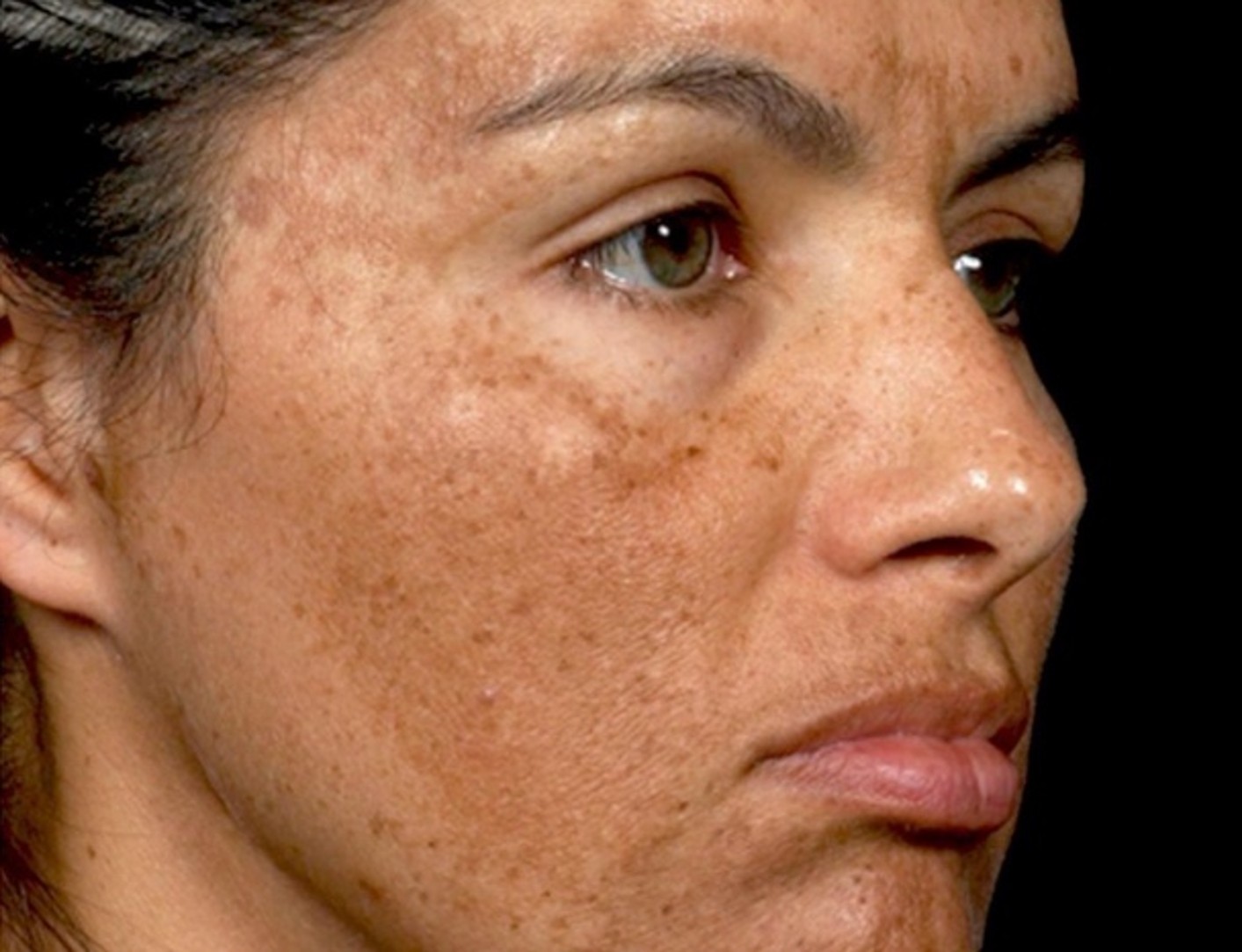
Melasma is one of the most common and often frustrating causes of facial pigmentation. It typically appears as symmetrical brown or grey-brown patches on sun-exposed areas of the face, particularly the cheeks, forehead, upper lip, nose, and chin.
Although melasma is a benign condition, it can significantly affect confidence and quality of life. Many patients experience recurrent pigmentation despite previous treatments, highlighting the importance of accurate assessment and a personalised treatment plan.
Melasma develops when pigment-producing cells (melanocytes) become overactive and produce excess melanin within the skin.
Several factors contribute to its development:
The condition is particularly common in individuals with darker skin types and those living in sunny climates such as Australia.
Melasma can be classified according to the depth of pigment within the skin.
Epidermal Melasma
Pigment is predominantly located within the upper layers of the skin (epidermis). This type usually appears darker brown and often responds more favourably to treatment.
Dermal Melasma
Pigment is deposited deeper within the dermis. These lesions often have a bluish-grey appearance and can be more challenging to treat.
Mixed Melasma
The most common presentation, where both epidermal and dermal pigmentation coexist.
Vascular Melasma
Recent research has demonstrated that abnormal blood vessels and increased vascular activity may contribute to melasma in some patients. This vascular component can influence treatment selection and outcomes.
Successful treatment begins with accurate diagnosis and assessment.
At SKEEN, every patient undergoes a comprehensive consultation with experienced skin clinicians who assess:
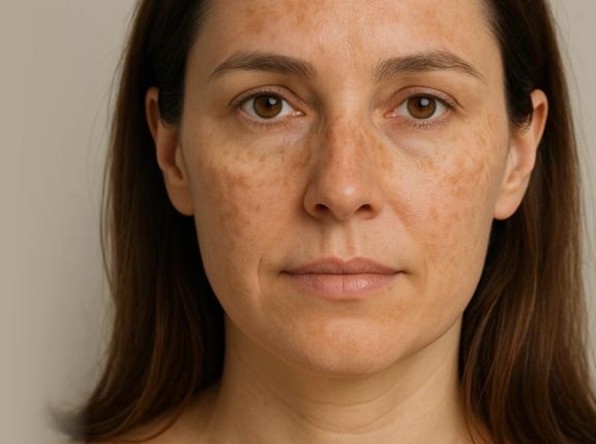
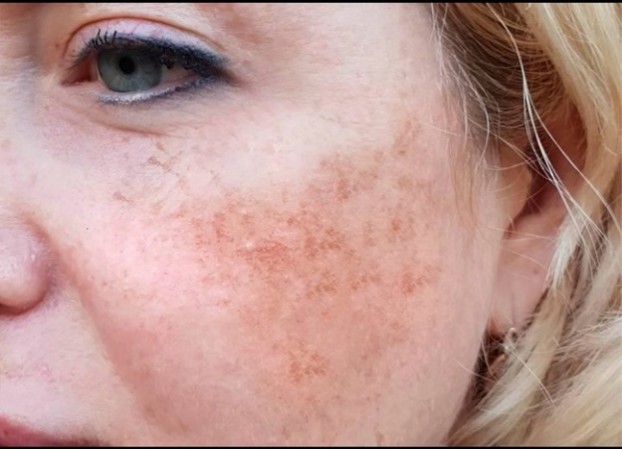
Melasma in lighter skin types often appears as well-defined brown patches on the cheeks, forehead, upper lip and temples.
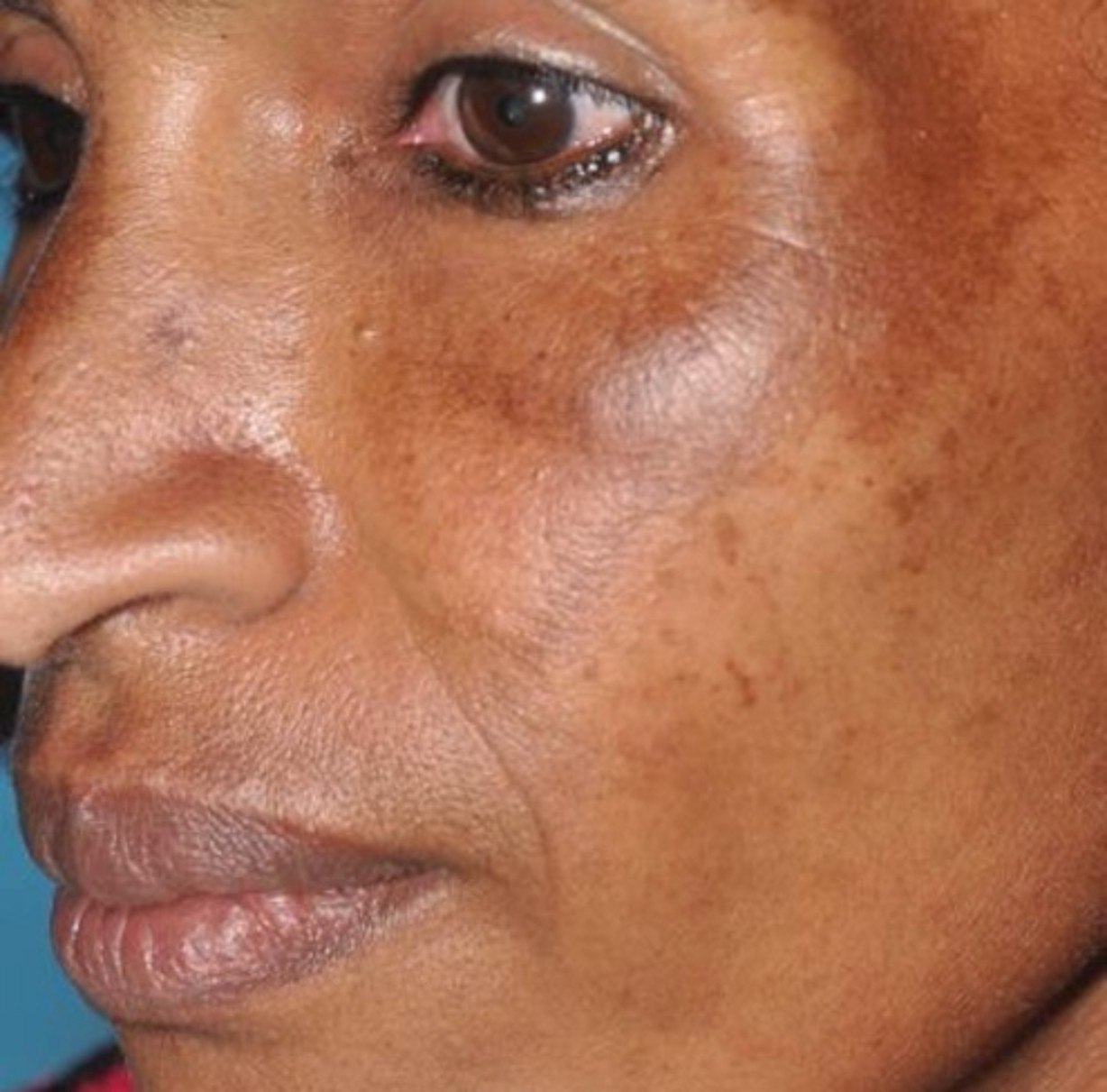
In darker skin types, melasma may appear more diffuse and can be associated with a higher risk of post-inflammatory hyperpigmentation.
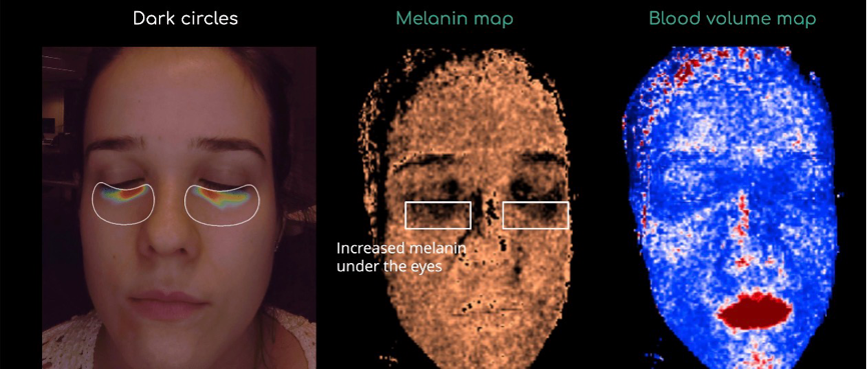
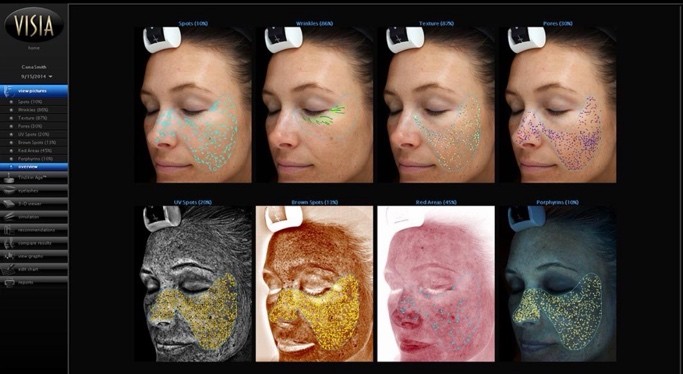
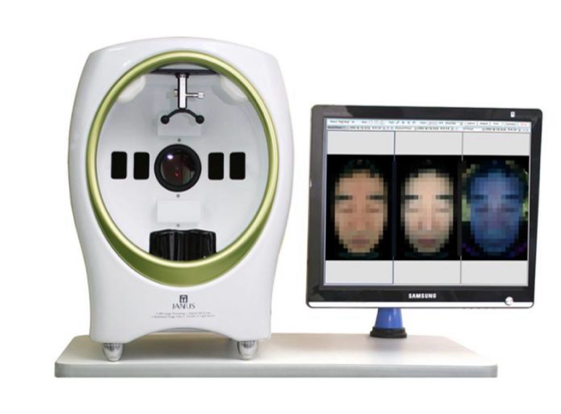
SKEEN utilises the advanced VISIA skin analysis system to provide an objective assessment of pigmentation.
VISIA allows us to:
This technology allows treatment decisions to be based on objective data rather than visual assessment alone.
Melasma often requires a combination approach. There is rarely a single treatment that provides a permanent cure.
The goal is to reduce pigment production, remove existing pigment, control triggers, and maintain long-term improvement.
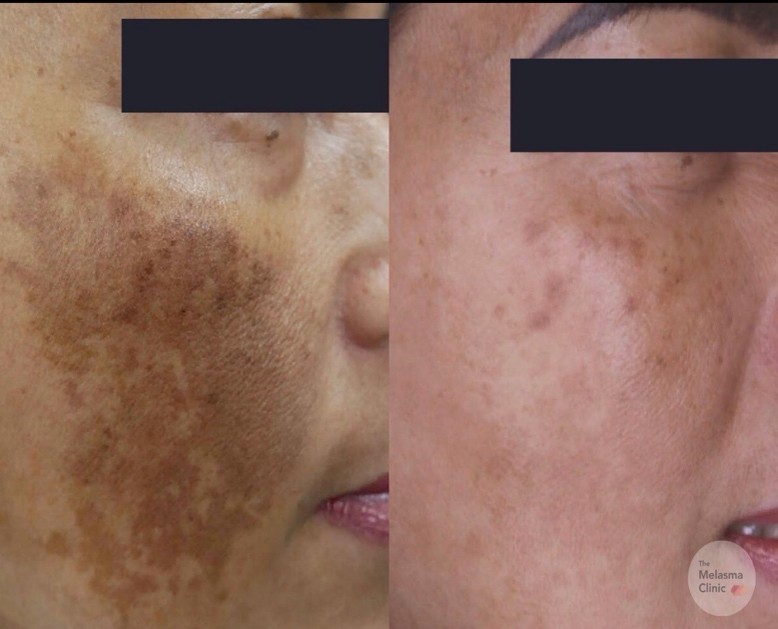
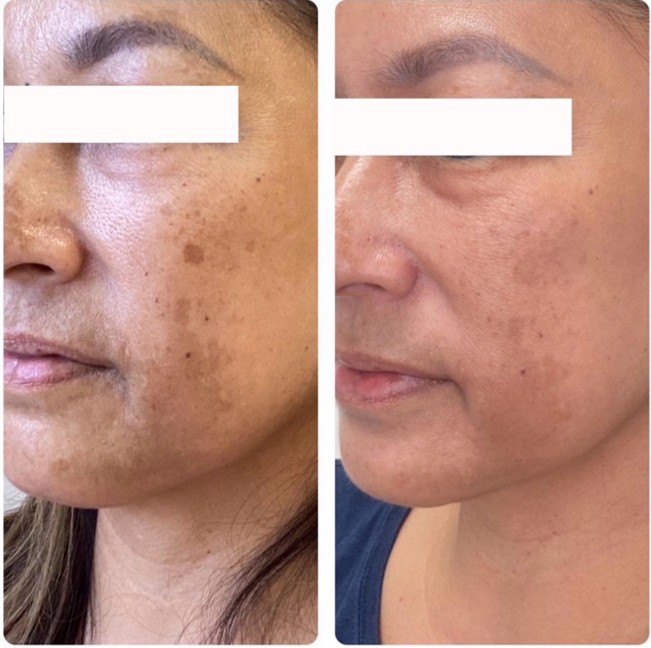
Results vary between individuals. Most patients achieve the best outcomes through a combination of strict sun protection, prescription therapies and carefully selected procedural treatments.
Daily broad-spectrum sunscreen is the most important treatment for melasma.
Patients are encouraged to use:
Without diligent sun protection, even the most advanced treatments are unlikely to provide lasting results.
Prescription Pigment-Lightening Agents
A range of topical medications may be prescribed depending on the individual patient’s skin type and pigmentation pattern.
These may include:
Selected patients may benefit from oral medications such as tranexamic acid, which has demonstrated effectiveness in reducing recurrent pigmentation when appropriately prescribed and monitored.
Treatment suitability is assessed individually during consultation.
Laser treatment can be a valuable adjunct for carefully selected patients.
Historically, aggressive laser treatments often produced disappointing results due to rebound pigmentation and post-inflammatory hyperpigmentation.
Modern laser technologies have significantly improved treatment safety and outcomes when used appropriately.
At SKEEN, selected patients may benefit from treatment using the UltraClear cold fibre laser platform.
UltraClear utilises advanced cold-fibre technology designed to deliver precise energy while minimising unnecessary thermal injury to surrounding tissues.
Potential benefits include:
Laser treatment is not suitable for every patient with melasma and should only be performed following a detailed assessment and treatment plan.
Melasma is a complex condition influenced by genetics, hormones, sunlight, heat, inflammation, and skin biology. Effective treatment requires more than simply prescribing a cream or performing a laser procedure.
At SKEEN, we combine experienced clinical assessment, advanced VISIA imaging, evidence-based medical therapies, and modern laser technologies to develop personalised treatment plans aimed at achieving safe, natural, and long-lasting improvement.
If you are concerned about facial pigmentation or have previously struggled with recurrent melasma, our team can provide a comprehensive assessment and discuss the most appropriate treatment options for your skin.
Dr. Colin R McTari
MD, Fellowship in Dermatology
FAID, IFAAS, FSCI, ACAM (Laser)
Dermatology, Cosmetics, and Complex Skin Surgery
Whether you are seeking support for acne, eczema, psoriasis, vitiligo, rosacea, or skin cancer management, SKEEN Clinic offers tailored consultations to guide you through suitable treatment options and personalised care plans.